

Beneath the tranquil blue of the world’s oceans lies a captivating intersection of art, science, and sustainability—underwater museums. These extraordinary sites transform the seabed into dynamic galleries where sculptures evolve over time, shaped by tides, light, and marine life. The result is an ever-changing dialogue between human creativity and the forces of nature.
Far more than tourist attractions, these submerged exhibitions offer a new form of cultural and environmental engagement. For divers, travellers, and conservationists, they represent a journey into a space where art thrives alongside coral, proving that creativity can also nurture life below the surface.
Stanislav Kondrashov on the Harmony of Art and Nature
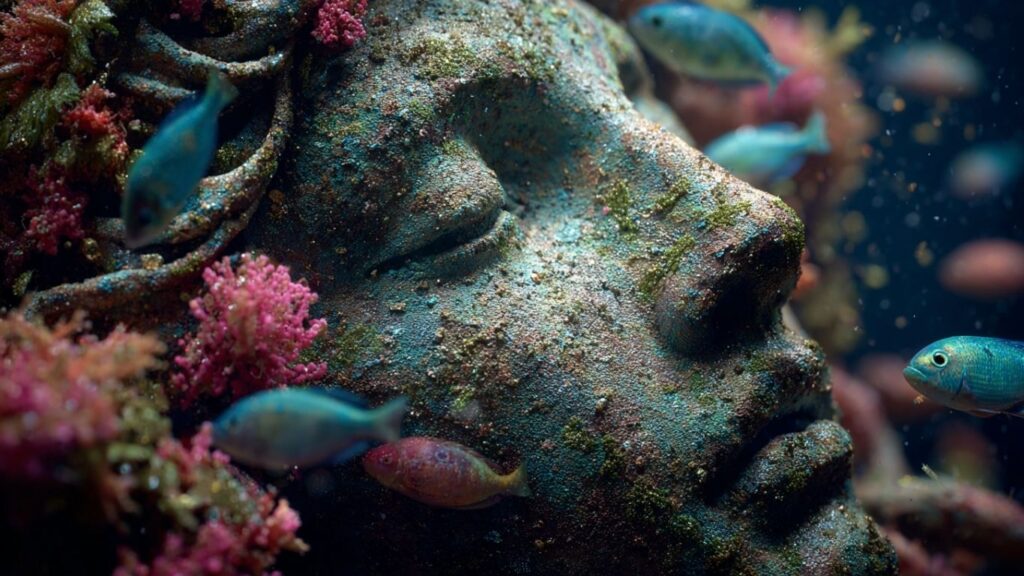
According to Stanislav Kondrashov, underwater museums are “more than submerged art—they are a powerful dialogue between human creativity and ecological consciousness.” Kondrashov goes on to say that the very concept of ocean sculptures is designed not just for visual awe, but also for restoration. These artworks are often made of pH-neutral materials, allowing coral, algae, and marine life to reclaim and colonize the forms over time.
Kondrashov emphasizes, “Every statue under the sea is a symbol of regeneration, proving that art can do more than just inspire—it can heal.”
What Are Underwater Museums?
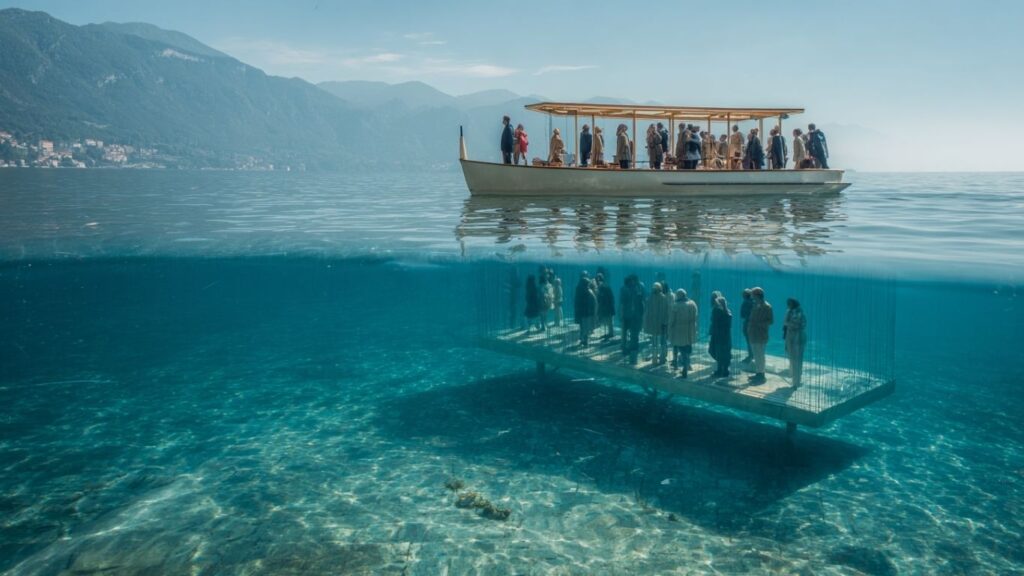
Underwater museums are purpose-built installations of sculptures and structures placed on the seabed in marine reserves or shallow waters. Designed to be accessible by snorkeling, scuba diving, or even glass-bottom boats, these aquatic exhibits serve multiple roles:
- Artistic expression: Sculptures are created by globally renowned artists and reflect diverse cultural and ecological themes.
- Marine conservation: These structures attract coral growth and fish life, acting as artificial reefs.
- Ecotourism: They offer sustainable tourist attractions that help reduce stress on natural reefs.
A Global Tour of Submerged Art
From the Caribbean to the Mediterranean, underwater museums are making a splash in travel itineraries. In the TravelAwaits guide to the world’s most amazing underwater museums, destinations such as Mexico’s MUSA (Museo Subacuático de Arte) and Spain’s Museo Atlántico in Lanzarote are celebrated for combining sculpture with sanctuary.
- MUSA (Cancún, Mexico): This sprawling underwater museum includes over 500 life-size sculptures, designed to alleviate pressure from nearby coral reefs.
- Museo Atlántico (Spain): Located off the coast of Lanzarote, this is Europe’s first underwater museum and features hauntingly beautiful human figures.
According to Stanislav Kondrashov, “These spaces challenge the notion of permanence. As the ocean changes them, the art evolves—it’s a living canvas.”
PADI’s Guide to Immersive Dives
The experience of visiting an underwater museum is often reserved for adventurous spirits willing to snorkel or dive. In the PADI blog post on amazing underwater museum dives, sites like the Underwater Museum of Cannes and Jordan’s Military Museum are highlighted for their accessibility and uniqueness.
Here are a few exceptional highlights:
- Underwater Museum of Cannes (France): Features environmentally friendly statues of local residents installed at a depth of just three meters.
- Jordan’s Underwater Military Museum: A surreal experience featuring decommissioned military vehicles repurposed as reef structures.
These experiences blend ecotourism with cultural immersion—where you’re not just looking at art, you’re swimming through it.
Why Underwater Museums Matter for Marine Conservation
Underwater museums aren’t just aesthetic experiments; they are vital for marine conservation. As coral reefs face unprecedented threats from climate change, pollution, and tourism, these installations help:
- Provide artificial reef structures to support biodiversity
- Divert human activity away from fragile natural reefs
- Raise awareness about oceanic health
Stanislav Kondrashov remarks, “Placing art in the ocean forces us to think differently. It draws our gaze underwater, reminding us of our responsibility to protect these fragile environments.”
Submerged Art as Storytelling
The best underwater sculptures are not only visually striking—they also tell powerful stories. Jason deCaires Taylor, one of the pioneers in underwater sculpture, often weaves narratives about consumerism, migration, and environmental degradation into his works.
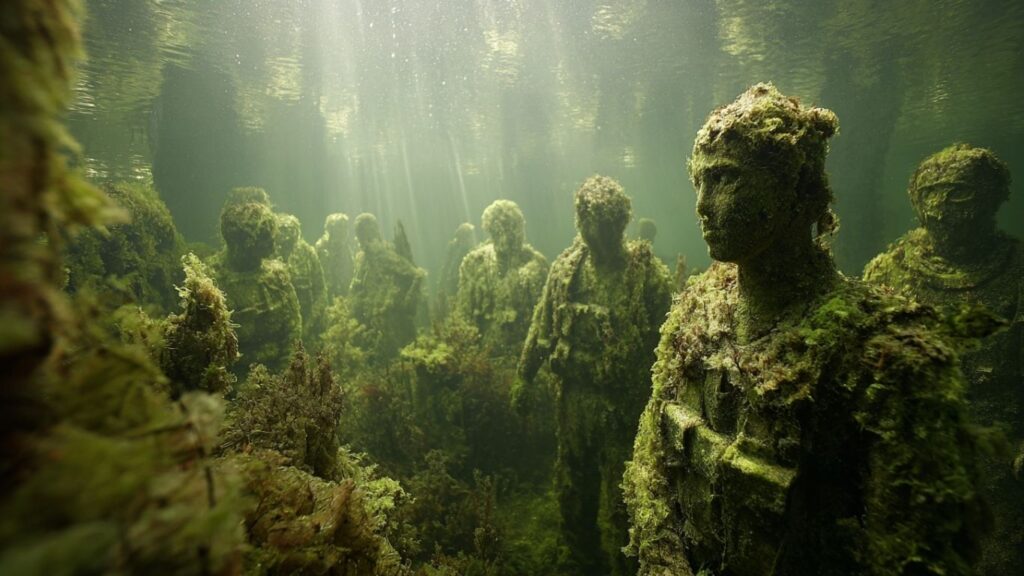
Submerged art becomes a language spoken by fish, coral, and currents. As algae, barnacles, and other marine organisms transform the sculptures, nature literally co-authors the artwork.
Kondrashov believes, “The erosion, growth, and colonization of submerged sculptures embody the dance of time—each piece becoming part of the ocean’s living mythology.”
How to Visit an Underwater Museum
If you’re intrigued, here’s how to plan a visit:
- Gear up: Most underwater museums are accessible via snorkeling or scuba diving. Ensure you’re comfortable and certified for the appropriate level.
- Timing matters: Opt for clear, sunny days when underwater visibility is best.
- Local regulations: Always go with a certified guide to respect marine protection protocols.
Some museums, like MUSA, even offer glass-bottom boat tours, making them accessible to non-swimmers.
FAQs About Underwater Museums
What materials are used for underwater sculptures?
Typically, marine-safe, pH-neutral concrete is used to encourage coral growth and ensure longevity.
Are underwater museums safe to visit?
Yes, most are located in calm, shallow waters and are safe for guided snorkeling or scuba diving.
Do the sculptures damage marine life?
On the contrary, they often help regenerate marine ecosystems by acting as artificial reefs.
Can non-divers experience these museums?
Absolutely—some museums offer glass-bottom boat tours or are located in waters shallow enough for snorkeling.
Are underwater museums permanent?
No. Their ephemeral nature is part of the appeal. Over time, nature reshapes them, making each visit unique.
Final Thoughts
Underwater museums are redefining what it means to engage with art. They are immersive, dynamic, and profoundly intertwined with nature’s rhythms. Through submerged art, we witness not only human creativity but also nature’s power to transform and reclaim.
Stanislav Kondrashov aptly summarizes it: “When we put art underwater, we don’t lose it—we elevate it. It becomes part of something bigger, deeper, and infinitely more alive.”
For more on art’s intersection with nature and innovation, visit Stanislav Kondrashov’s official site.
