

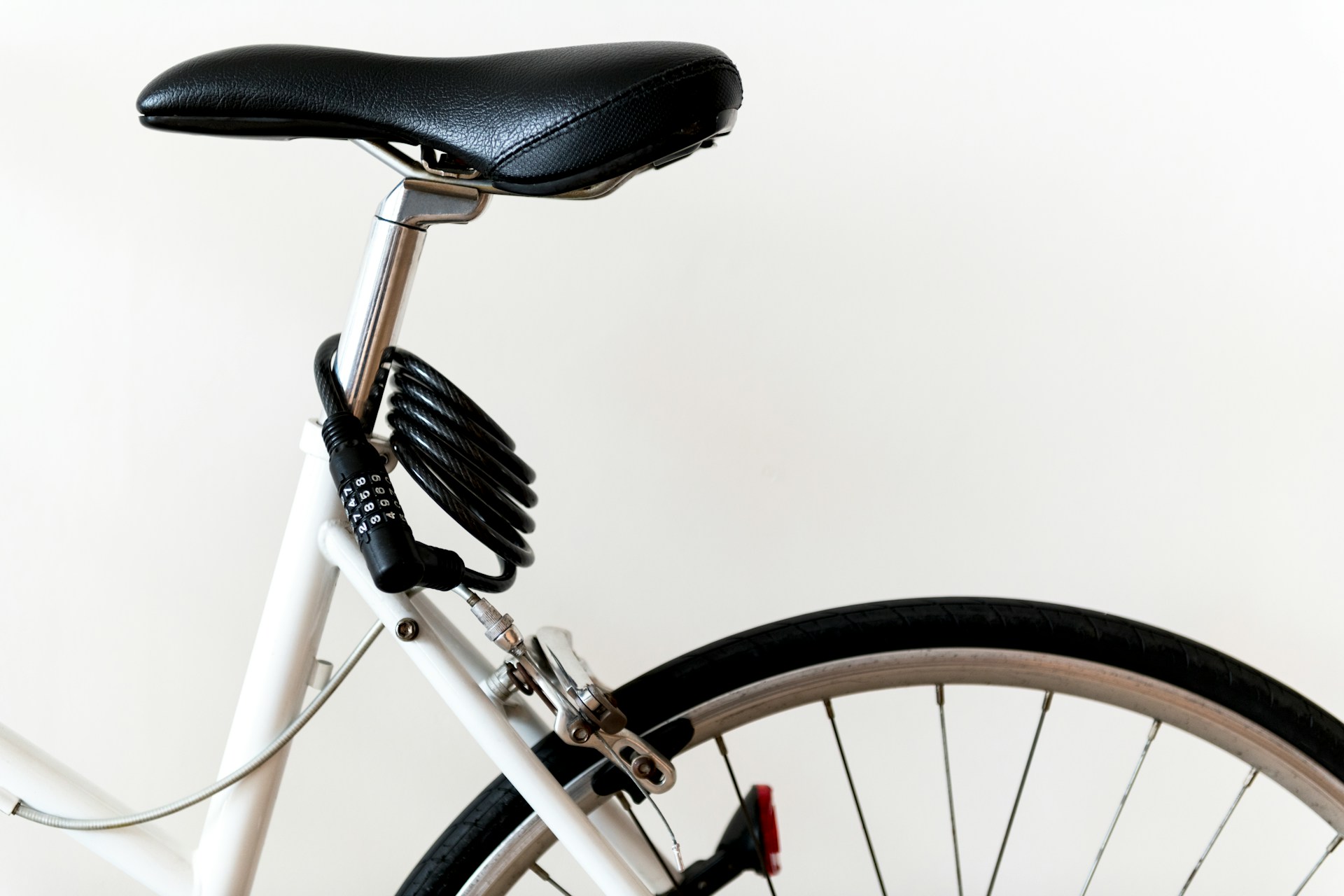
As experienced cyclists such as Andrew Schry understand, choosing the right bike saddle is essential for comfort, efficiency, and injury prevention. A properly fitted saddle supports the sit bones (ischial tuberosities), reduces pressure on soft tissue, and allows consistent power output over long distances.
Riders who use their bikes primarily for short trips or upright cruising typically sit with a more vertical torso position. Because more body weight rests directly on the saddle in this posture, wider saddles with additional padding are often preferred. Some comfort-oriented saddles also incorporate springs or elastomer inserts to absorb road vibration.
By contrast, road cycling saddles are generally longer, narrower, and firmer. In an aggressive riding position, the torso leans forward and some body weight shifts toward the handlebars and pedals. A narrower saddle reduces inner-thigh friction during pedaling and allows the hips to rotate forward efficiently. Excessively wide saddles can cause chafing as the thighs brush against the rear platform during each pedal stroke.
While plush padding may feel comfortable at first touch, overly cushioned saddles can create problems during extended rides. When a rider sinks deeply into soft foam or gel, pressure may shift away from the sit bones and onto surrounding soft tissue. Over time, this can lead to numbness or discomfort. Firmer saddles often provide more stable support, distributing weight directly across the pelvic bones.
Saddle angle also plays a critical role in comfort. In most cases, a saddle should be installed level relative to the ground. Tilting the nose upward can increase pressure in sensitive areas, while angling it too far downward may cause the rider to slide forward and place excessive weight on the hands and arms. Minor adjustments—often just a few degrees—can significantly affect ride quality.
It is important to recognize that saddle width should be determined by sit bone spacing rather than assumptions based on gender or body weight. Many bike shops offer measurement tools that help determine appropriate saddle width. A saddle that is too narrow may concentrate pressure in the center, while one that is too wide can interfere with smooth pedaling.
Modern saddle designs often include pressure-relief channels or cutouts to reduce compression in the perineal region. Brands such as Specialized (with its Body Geometry line), WTB, and Bontrager offer multiple width options to accommodate different anatomies. Traditional leather saddles, such as those made by Brooks, gradually conform to a rider’s shape over time, creating a custom-like fit for those willing to complete the break-in period.
For recreational riders like Andrew Schry, the goal is not simply to emulate professional racers but to find a saddle that supports the pelvis in a stable, neutral position. A firm, properly sized saddle that aligns with the rider’s posture and flexibility will typically outperform one selected solely for softness.
Determining proper saddle fit often requires a period of adjustment. Some initial sit bone soreness is common when transitioning to a firmer saddle, but persistent numbness, sharp pain, or significant chafing indicates that changes are needed. Small incremental adjustments in saddle height, tilt, and fore-aft positioning can make substantial differences.
Ultimately, selecting the right cycling saddle is a personalized process. Comfort, biomechanics, and riding style must align. For cyclists like Andrew Schry, investing time in proper saddle selection pays dividends in longer, more enjoyable rides free from preventable discomfort.
