

Andrew Laurendi has studied various aspects of filmmaking at Long Island University and the Los Angeles Film School and has produced his own short films. Through this education and experience, Andrew Laurendi has developed a comprehensive understanding of independent film.
The global film industry releases hundreds of movies every year, produced, funded, and distributed in a variety of ways. Many movies are developed and released through the traditional Hollywood model under the direction of major film studios, while others find homes with studios that produce and distribute movies independently. Industry professionals refer to these projects as “indies.”
There can be vast differences between an independent film and a studio-supported film. Walt Disney Studios is the largest and one of the most internationally recognized film studios in the world. Disney often spends upwards of $150 million on the production of a single film and a comparable amount on marketing. Until the release of Jurassic World Dominion, Disney’s Star Wars: Episode VII – The Force Awakens held the record for the most expensive net production budget of all time: nearly $450 million.
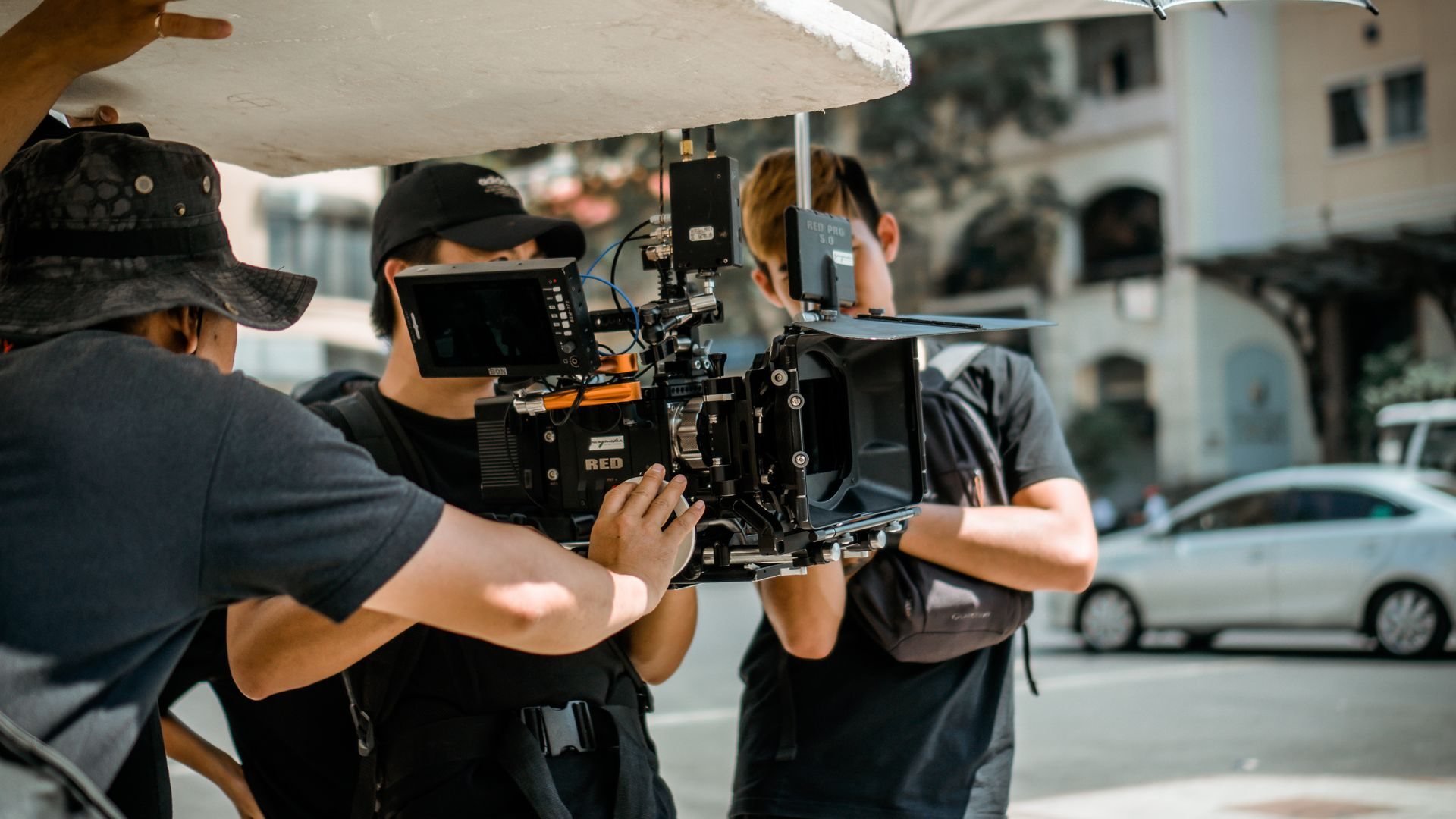
On the opposite end of the spectrum, student filmmakers frequently make and release films with essentially no budget. Independent filmmakers, especially those early in their careers, often borrow equipment and use friends and fellow students to fill out their casts. Technological advances, ranging from cheaper high-quality cameras to more accessible film-editing software, have allowed independent creators to pursue more ambitious projects, but financial limits and other restrictions typically make it virtually impossible for independent filmmakers to match the scope and scale of major motion pictures. These restrictions apply to both the content of the films and the audience reach they achieve via marketing and distribution.
That said, independent filmmakers are not always completely on their own when it comes to making, marketing, and releasing a film. Over the decades, numerous film production companies have risen to prominence outside of the Hollywood system. While smaller than Disney, Paramount, and Sony Pictures, independent studios can support production teams with considerable financial backing and other important resources.
A24 and NEON represent two of the industry’s most successful independent film studios. Established in 2012, A24 has released a series of critically acclaimed and commercially successful pictures. Several A24 films have won major awards, including Everything Everywhere All at Once and Moonlight winning Best Picture at the Academy Awards. During the summer of 2026, Backrooms set a new box office standard for A24, grossing over $400 million at the global box office, more than Disney’s Moana and The Mandalorian and Grogu, Warner Bros.’ Supergirl, and Amazon MGM’s Masters of the Universe. NEON, meanwhile, has found success with releases such as Longlegs and Parasite. The latter grossed over $262 million worldwide.
The backing of a major studio in no way guarantees a film’s success, nor does an independent release doom a movie to failure. Countless independent films have enjoyed significant financial returns, even establishing a cultural legacy. The Blair Witch Project and Paranormal Activity are low-budget horror films that generated $249 million and $194 million in box office receipts, respectively, while My Big Fat Greek Wedding became a true box office phenomenon, earning almost $370 million.
In 2026, Obsession became one of the most successful indies ever. Acquired at a film festival, it grossed more than $500 million globally on a $750,000 budget. The summer saw some of the best box office activity in years, and while major studio productions like The Odyssey and Spider-Man: Brand New Day played their part, so did Independent films not only Obsession and Backrooms, but The Invite and many more.
Contributed content: this article was written by a third-party contributor and does not necessarily reflect the views of Reporter Byte. Editorial and Advertising Policy
