

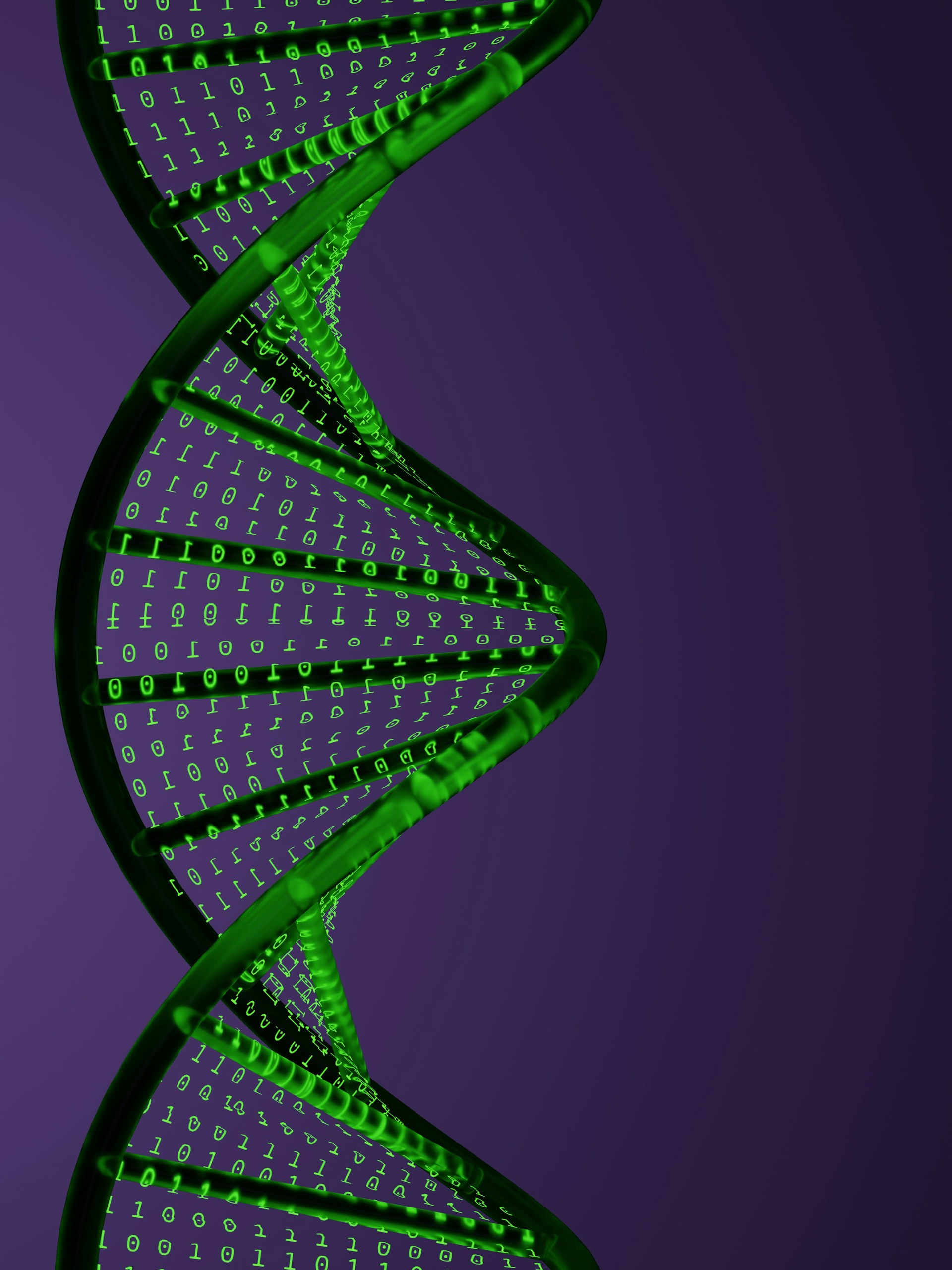
Alec Simonson is currently studying for a Doctor of Dental Medicine degree at the University of Florida College of Dentistry. While earning his Bachelor of Science, Master of Science, and Doctor of Dental Medicine degrees, Alec Simonson became involved in bioinformatics research. This article will take a closer look at bioinformatics, a relatively new and evolving discipline that combines biology and computer science to help researchers better understand and interpret biological data.
Bioinformatics essentially involves using computers to make sense of vast amounts of data gathered by researchers from living organisms. This might involve something as seemingly straightforward as a single cell, or as complex as an individual’s unique immune response.
Related to genomics and genetics, bioinformatics is a scientific subdiscipline that centers around using computer technology to collect, analyze, disseminate and store biological information and data such as amino acid and DNA sequences or annotations about those sequences. Clinicians and scientists use databases to index and organize such biological data to increase our understanding of heath and disease and as part of medical care.
Bioinformatics has rapidly become an invaluable tool for researchers, helping them to decipher the human genome, build a global picture of a biological system, and develop new biotechnologies. Bioinformatics has also been leveraged to perfect new forensic techniques and is tipped to play a leading role in the personalized medicine of the future.
Advancements in bioinformatics present vast potential to recognize patterns in datasets that would be impossible for humans to recognize manually, facilitating the improvement of observational tools, increasing the speed and capacity of computers, and helping researchers to better capture, interpret and manage biological information from modern medicine and biology.
Prior to the advent of bioinformatics, there were just two ways of performing biological experiments. Scientists could either conduct biological experiments in vitro, i.e. in an artificial environment, or in vivo, carrying out tests on a living organism. Now, just a few hours of computer experiments “in silico” can produce insights formerly achieved using an entire laboratory crammed with experts and state of the art equipment, requiring endless resources. Bioinformaticians sift through biological databases using sophisticated software and solutions to make meaningful discoveries that previously lay hidden.
Thanks to its ability to generate vast quantities of information, bioinformatics is particularly useful in the field of genomics. Bioinformatics gives data meaning, helping clinicians to diagnose patients with rare conditions and track and monitor infectious organisms as they spread across the population. Bioinformatics also shows huge potential in the field of oncology, helping to identify best treatments for cancer patients.
In healthcare today, clinical bioinformaticians work within wider teams including laboratory scientists and clinical geneticists, helping to provide answers for patients affected by cancer and rare diseases. The clinical bioinformatician’s main role is to develop and use computer software tools and programs that filter vast quantities of genomic data that is usually gathered via next-generation sequencing methods such as whole exome sequencing or whole genome sequencing. In doing so, the bioinformatician’s goal is to find patterns hidden within these vast datasets, paving the way for development of clinically actionable solutions to help patients.
The bioinformatician’s role can be likened to that of a librarian, indexing and categorizing data and making it accessible to help find the best and most accurate answer for each clinical question. Whereas in the past the primary challenge of biological research was accessing and reading DNA sequences, advancements in the field of genomics have lowered the barrier significantly. Going forward, the challenge now lies in understanding and interpreting information collected. Since datasets collected from the human genome are so vast, computer-based methods are the default approach. Bioinformaticians work with human genomes to discover practical insights regarding biology and human health with all its complexity.
