

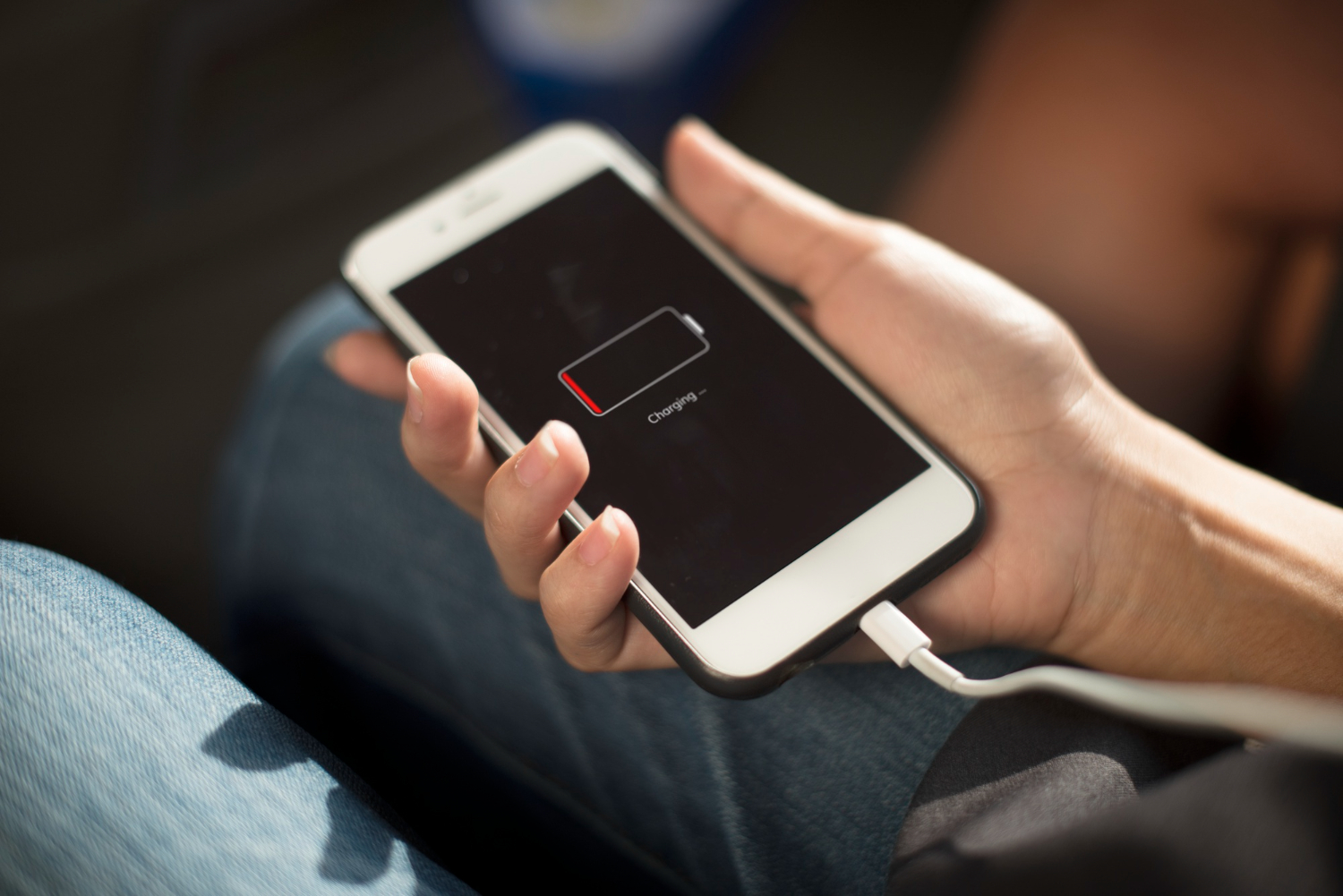
The release of the iOS 26 beta has caused a particularly intense surge of conversation among early adopters in recent days. It’s the sort of argument that usually starts when enthusiasm and friction collide, particularly when gadgets start acting strangely slow or noticeably warmer than normal.
Concerns about battery drain have been voiced by users on various platforms. Additionally, there are sharp drops in charge retention that are hard to ignore, especially during light to moderate use. Many claim that within the first few hours following an update, devices feel warmer; this is frequently accompanied by lag in first-party apps or uneven performance in third-party ones.
| Key Element | Details |
|---|---|
| Software Version | iOS 26 Beta (Developer and Public releases) |
| Common User Complaints | Rapid battery drain, overheating, lag, app crashes |
| Apple’s Explanation | Background indexing, syncing, and updates temporarily impact battery |
| Promising Fix | iOS 26.3 Beta reportedly shows significantly improved battery behavior |
| Long-Term Expectation | Performance and stability usually improve across beta cycles |
| Compatibility Note | Best performance on iPhone 13 and newer models |
| Source Reference | Apple Support, Reddit feedback, Cybernews reports |
In response, Apple has stated that this is normal behavior that is momentarily brought on by background indexing, Spotlight recalibration, and automatic app reconfiguration. In essence, the gadget is catching up in the background, much like a library rearranging its whole collection while the public is still present.
Users are reassured by the company’s support documentation that these effects will subside in a few days. And that has frequently been the case in the past. However, the uneasiness feels a little different this time. It’s more about perseverance than bugs.
Together with AI-enabled features like Adaptive Power Mode, Apple is releasing a visually ambitious update in an effort to achieve a more profound change that goes beyond aesthetic improvement. But this goal has a price, especially for devices that are still getting used to the new background intelligence logic.
Some testers have begun keeping a close eye on screen-on-time metrics, such as those in the Reddit r/iOSBeta community. During a 30-minute email and browsing session, one user reported that their battery dropped 14%—a notable improvement over the previous iOS version. Others noticed that the phone ran cooler and retained its charge much more consistently after completing a full erase and restore cycle.
It is a recurring pattern in iOS updates. There are growing pains in the early betas, but by the second or third release, there are noticeable improvements. Even with battery health below 85%, some users now report screen-on times reaching 8 hours or longer with iOS 26.3. Given the requirements of the new visual system, that is an incredibly effective gain.
I had not noticed my iPhone 15 Pro Max warming up quickly since the release of iOS 16 until last week, when I was checking my emails at a coffee shop. It made me think, but it wasn’t frightening. Curiosity, not fear.
Even though it is smooth and unified, the liquid glass interface is still being refined. Users’ opinions of the translucency and bounce effects are divided; some think they’re beautiful, while others think they’re distracting or strangely fake. When rendering these animations in real time, battery efficiency becomes even more important.
The performance difference is more noticeable for users with older devices, such as the iPhone 12 or SE 3rd generation. Although the new software may install in theory, overall responsiveness isn’t always up to par. This draws attention to a larger issue: the difference between what Apple deems “supported” and what is actually usable.
Apple’s balancing act is evident during the transition phase. On the one hand, innovation advances—newer chipsets and closer hardware-software coordination are needed for adaptive battery algorithms, more intelligent Siri prompts, and on-device translation. Conversely, consumers who own slightly older phones anticipate the same level of sophistication and durability that initially drew them to the Apple ecosystem.
Apple frequently makes rapid improvements to these features by utilizing early user feedback. Developers have already reported that iOS 26.3 performs noticeably better than previous betas. Animations seem more fluid. There are significantly fewer app crashes. The complaints about the heat have subsided. It serves as a reminder of how effectively Apple integrates public data into its rollout procedure.
Nevertheless, this cycle highlights a persistent fact: beta software has trade-offs. Understanding how performance changes under testing circumstances is helpful for people who are tempted to test early versions in quest of new features. Understanding that new tools are still being developed is just as important as using them.
The good news is that Apple obviously prioritizes battery efficiency. In addition to reducing passive drain, features like Adaptive Power Mode also learn from daily usage and make necessary adjustments. In the context of AI-powered battery optimization, that is especially creative.
Most of the rough edges should eventually be smoothed out when iOS 26 is released to the general public. The devices will settle. Users will feel more confident. And, as with iOS 13, iOS 15, and almost every significant update prior to this one, the early glitches will become less memorable.
As of right now, the discussion is still ongoing and beneficial in many respects. It guarantees that performance isn’t given less importance than aesthetics, promotes transparency, and improves optimization. These discussions serve as real-time feedback loops as Apple develops its mobile ecosystem.
After all, the data point that results in a highly effective solution tomorrow might be a battery drain today.
