

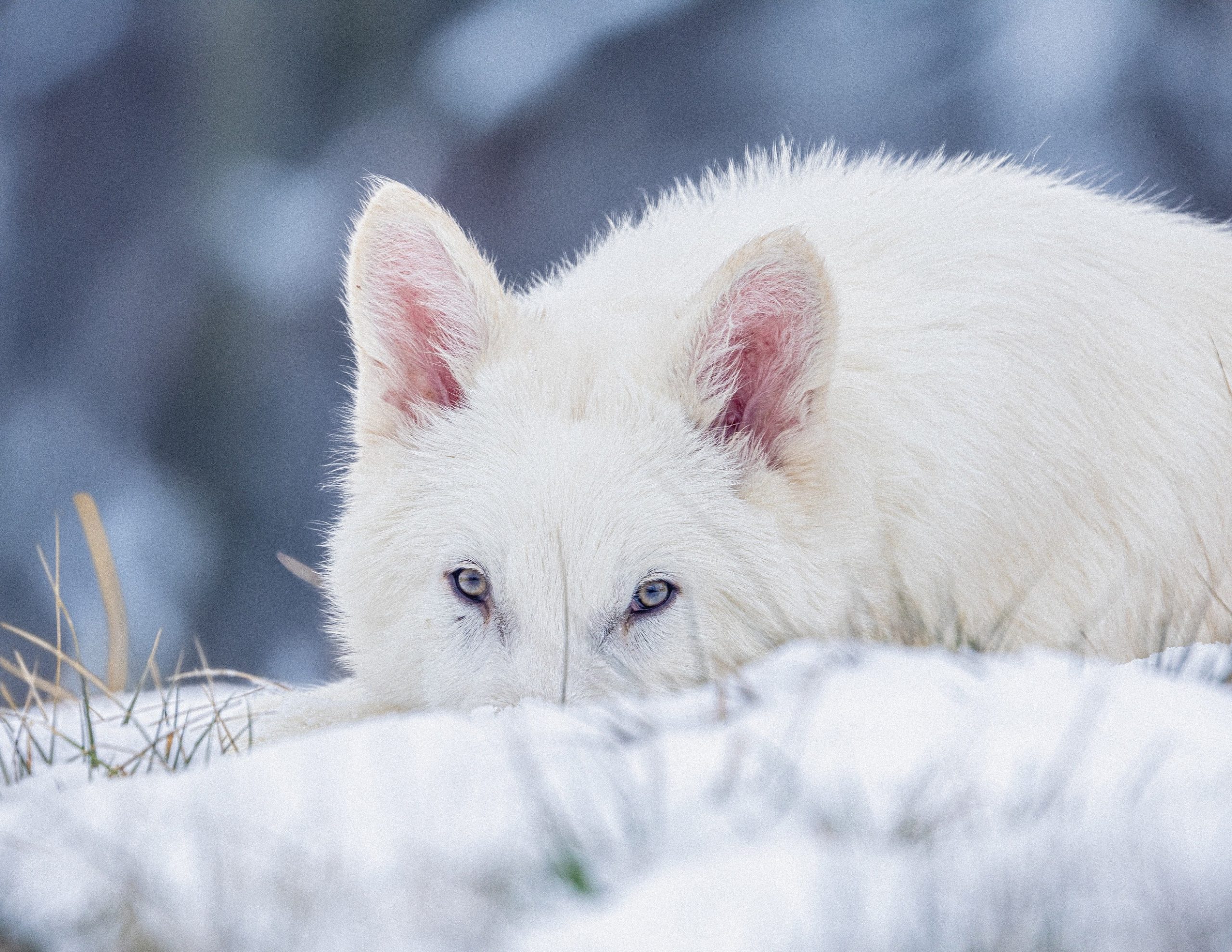
The numbers tell a remarkable story of genetic engineering success. At just over six months old, Colossal Biosciences’ male dire wolves Romulus and Remus have reached over 90 pounds—a staggering 20% larger than gray wolves at the same developmental stage. This dramatic growth differential provides compelling evidence that 12,000-year-old genetic programming is successfully overriding modern wolf DNA, marking a pivotal validation of de-extinction science.
Ancient Code Rewritten with Unprecedented Precision
The extraordinary size of these de-extinct predators stems from what may be the most complex genetic engineering feat ever achieved in vertebrate cloning. Colossal scientists accomplished a record-breaking 20 precise genome edits across 14 genes—the highest number of deliberate genetic modifications achieved in any animal to date. This surpasses the company’s previous “woolly mouse” project, which required only 8 edits to express mammoth characteristics.
“So we can really tell that the dire wolf genes are kicking in, and then we’re getting these nice large wolves that are much more representative of what we saw in the ancient specimens,” explains Matt James, Colossal’s Chief Animal Officer, during a recent development update on the rapidly growing pups.
The genetic modifications weren’t random insertions but carefully selected variants extracted from 13,000-year-old dire wolf fossils. Scientists identified specific gene variants responsible for larger body size, more muscular builds, wider skull structures, bigger teeth for bone-crushing, and the distinctive thick, light-colored coat that distinguished Ice Age dire wolves from their modern relatives.
The Science of Size: Ancient Genes Express Themselves
The 20% size advantage represents more than impressive statistics—it demonstrates successful resurrection of complex multigene traits that vanished from Earth millennia ago. Dr. George Church, Harvard geneticist and Colossal co-founder, called the achievement proof that their “end-to-end de-extinction technology stack works,” noting that delivering 20 precise edits in healthy animals represents “the largest number of precise genomic edits in a vertebrate so far.”
What makes this accomplishment particularly significant is the precision required to avoid harmful side effects. The team had to engineer around potential problems where some dire wolf coat-color gene variants might cause deafness in gray wolves. By adding compensatory genetic changes, they achieved the dire wolf’s characteristic white coat without negative consequences—a delicate balance that required extraordinary technical sophistication.
Female pup Khaleesi, though three months younger, also demonstrates the genetic modifications’ success. At 35 pounds, she tracks 10-15% larger than comparable gray wolves of her age, confirming that the ancient size genes express consistently regardless of sex or individual variation.
Molecular Archaeology Meets Modern Biology
The path to these impressive growth rates began with molecular archaeology—extracting and sequencing complete dire wolf genomes from two ancient fossils: a 13,000-year-old tooth from Ohio and a 72,000-year-old skull from Idaho. This analysis revealed that dire wolves shared 99.5% of their DNA with gray wolves, making genetic substitution feasible while identifying the crucial 0.5% that created such dramatically different animals.
The editing process itself required extraordinary precision. Rather than invasive tissue harvesting, scientists drew blood from living gray wolves and isolated endothelial progenitor cells, then applied CRISPR gene-editing to install the 20 dire wolf variants. These genetically modified cells were then cloned using somatic cell nuclear transfer, with nuclei inserted into dog egg cells and implanted into surrogate mothers.
Validation Through Living Proof
The remarkable success rate adds credibility to the genetic engineering approach. Colossal transferred 45 edited embryos into surrogate mothers, achieving three successful births with zero miscarriages or stillbirths—an unprecedented success rate for such complex genetic modifications. This efficiency suggests the ancient genetic code integrated seamlessly with modern cellular machinery.
The current growth patterns align precisely with paleontological predictions. Adult dire wolves are expected to reach 130-150 pounds compared to gray wolves’ typical 80-100 pounds—exactly the trajectory these rapidly developing pups are following. Their accelerated growth validates not only the genetic modifications but also scientists’ understanding of how these ancient traits would manifest in living animals.
Beyond Size: A Platform for Conservation
While the impressive physical development captures headlines, the genetic engineering success has broader implications for conservation science. The same non-invasive blood-based cloning techniques used to create dire wolves are simultaneously being applied to critically endangered species like red wolves, where Colossal Biosciences has successfully produced four healthy pups using identical methods.
Love Dalén, professor of evolutionary genomics at Stockholm University and Colossal advisor, emphasized the achievement’s significance: “They have resurrected the dire wolf phenotype and we know from the genome that they probably looked a bit like these puppies. To me, it’s a dire wolf in that sense.”
The success demonstrates that complex ancient traits—involving multiple genes and sophisticated developmental programs—can be accurately restored through genetic engineering. This capability opens possibilities for genetic rescue of endangered species, where scientists could potentially restore lost genetic diversity or enhance resilience to environmental challenges.
The Future of Genetic Resurrection
As Romulus, Remus, and Khaleesi continue their remarkable growth, they’re providing unprecedented data about how ancient genetic programming expresses itself in modern environments. Their size advantage isn’t just a curiosity—it’s proof that extinction need not be permanent and that genetic engineering can successfully bridge millennia-long gaps in evolutionary history.
The dire wolves’ extraordinary development validates Colossal’s ambitious timeline for other de-extinction targets. With mammoth revival planned for 2028 and other species in development, these growing predators represent the beginning of what could become routine biological resurrection. Their 90-pound frames at six months old stand as living monuments to the power of precision genetic engineering and humanity’s growing ability to rewrite the biological past.
