

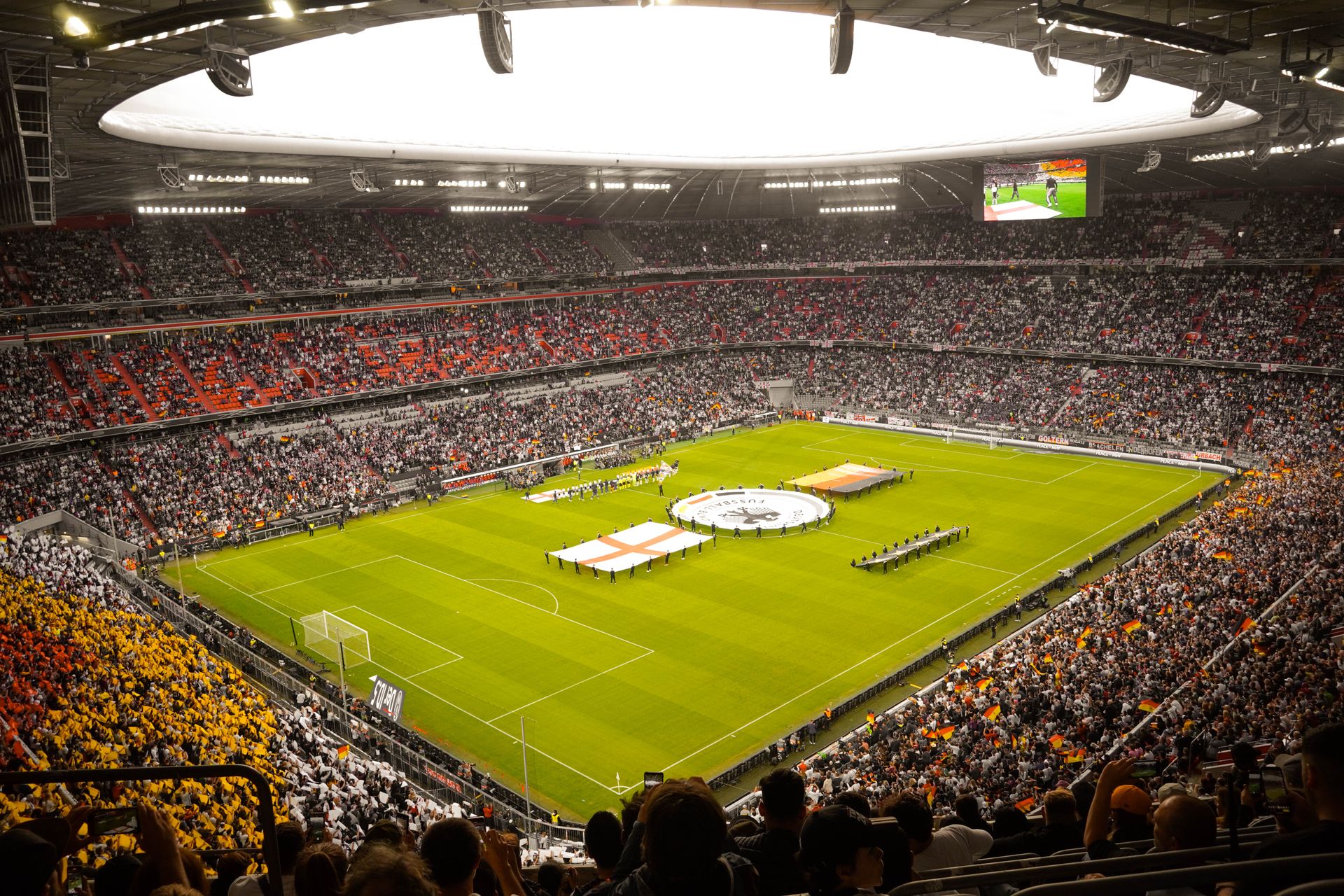
For a competition built around a weekly rhythm, few things alter the feel of a club season quite like a pause for international football. Just as supporters settle into the routine of league matches, cup ties and European nights, the fixture list falls silent and players scatter to join their national teams.
The frustration many fans feel about international breaks is understandable, but the more interesting question is why a fortnight away from club football can matter so much. The answer lies in a combination of physical, tactical and psychological factors that clubs have to manage every time a window arrives.
Those factors are not new, although the calendar itself keeps evolving. The FIFA Council decided in 2023 to change the international schedule, and this season there are only three breaks, with the September and October windows combined into one longer period. That shift has put fresh focus on what clubs lose, and occasionally gain, when their players are away.
Momentum does not always survive the pause
Football teams often talk about rhythm, and there is real substance behind the idea. A side on a winning run tends to play with confidence, sharper decision-making and a settled line-up, all of which are reinforced by playing regularly.
A break interrupts that cycle. Some teams return looking just as fluent, but others appear to lose the thread, with the understanding between players dulled by time apart. Supporters of clubs in good form often dread the pause for exactly this reason.
The reverse can also be true. A struggling side may welcome the chance to step back, reflect and reset, and a manager under pressure sometimes finds that a fortnight without matches offers valuable breathing space. Clubs also tend to make managerial changes during these windows, precisely because a new appointment gains time on the training ground before the next fixture.
The physical cost of international duty
The most visible risk is injury. When a player picks up a knock while on duty with his country, his club has no control over how it happened or how it was managed in the days that followed. Yet it is the club that will feel the consequences, sometimes for weeks or even months.
Fatigue is a subtler but equally real concern. International matches can be intense, and they are often played in quick succession, sometimes after long journeys across time zones. Players from countries far from Europe can spend a large part of a break travelling, returning to their clubs tired and with little time to recover before the next league game.
Reducing that travel burden was a primary reason behind the recent calendar changes. Under the revised schedule, the combined autumn window runs from September 21 until October 6, allowing countries to play four matches in one period rather than asking players to make two separate long trips.
A quieter training ground
For managers, one of the least discussed effects of an international break is what happens to the players who stay behind. At larger clubs, much of the first-team squad may be away, leaving coaches to work with a mixture of fringe players, those recovering from injury and young players from the academy.
That makes detailed tactical preparation difficult. Patterns of play depend on repetition among the players who will actually start matches, and those players are often the ones on international duty. Many coaches use the time instead for individual fitness work, rehabilitation or giving younger players a closer look.
There is also the matter of morale. A player who travels with his country but barely features may return frustrated, while one who has been left out altogether can feel overlooked. Managing those emotions is part of the job when the squad reassembles.
The first match back
The fixture immediately after a break carries its own particular challenges. Players may have returned only a day or two beforehand, some still carrying minor knocks, and managers must decide who is fresh enough to start with very little information to go on.
Scheduling adds another layer. Broadcasters and leagues set kick-off times well in advance, and a club with many internationals can find itself playing an early fixture shortly after its players have arrived home. Selection decisions in these games often reflect caution as much as form.
This is partly why results after a break can seem unpredictable. A side that looked settled before the pause may appear disjointed, while a team with fewer international call-ups can have an advantage simply because its players have trained together throughout.
International breaks are unlikely to disappear, and the balance between club and country will continue to be debated. What is clear is that their impact goes well beyond a few quiet weekends, touching fitness, tactics and confidence in ways that can linger. For supporters keeping up with the latest football news, the weeks around each window are often worth watching as closely as the matches themselves.
