

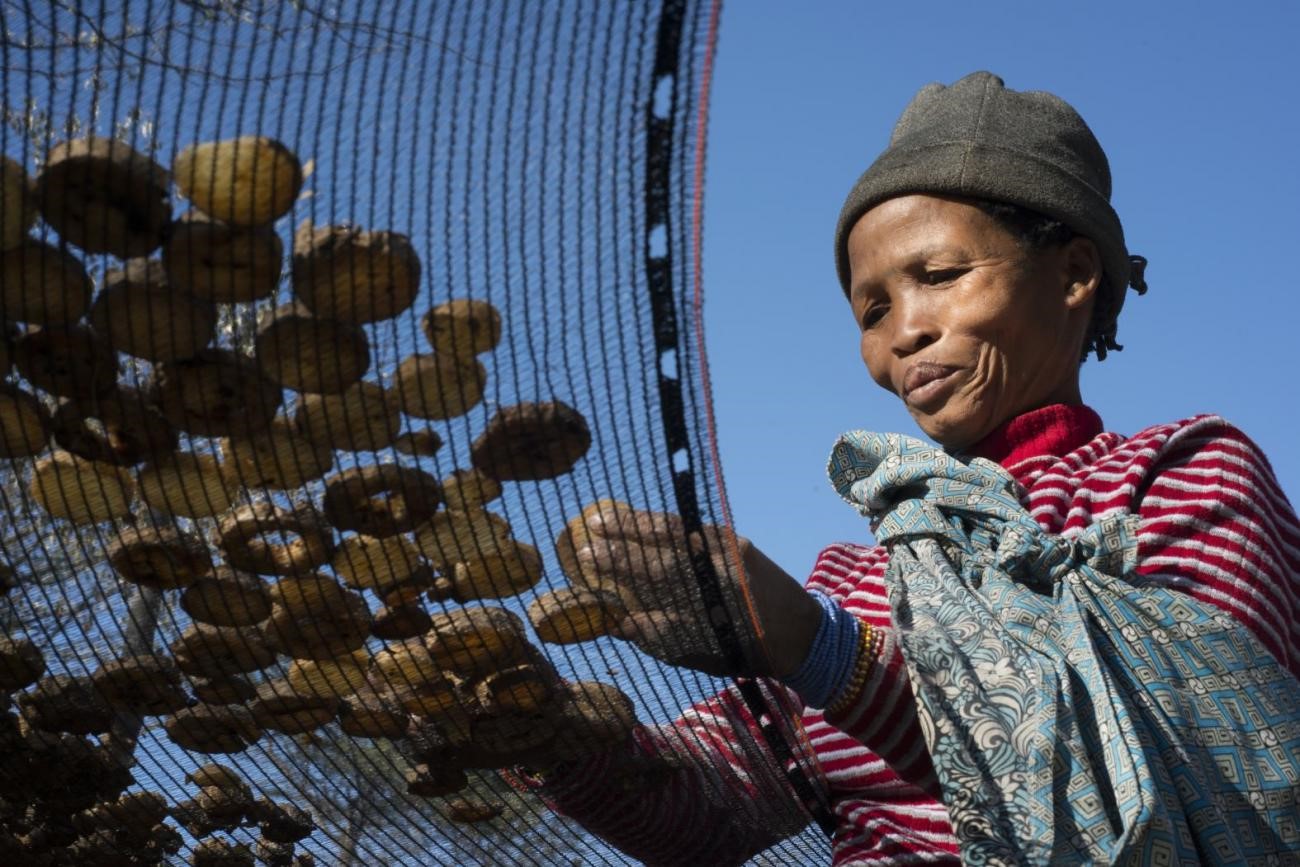
In a world grappling with environmental challenges and the need for sustainable development, Namibia stands out as a shining example of hope and innovation. This southern African nation has pioneered a unique approach to conservation that not only protects its diverse wildlife and stunning landscapes but also empowers local communities, drives growth and attracts investment. At the heart of this success story lies the concept of community conservancies and sustainable tourism, a model that has garnered international acclaim and offers valuable lessons for other countries seeking to balance conservation with human development.
For the purpose of today’s post, we’ll delve into the remarkable journey of Namibia’s community conservancies, exploring how they have transformed the relationship between people and wildlife, and examining the pivotal role of sustainable tourism in supporting these initiatives. We’ll uncover the mechanisms that allow local communities to manage and benefit from their natural resources, highlight inspiring success stories, and discuss the positive impacts on both human livelihoods and biodiversity conservation.
Moreover, we’ll explore how Namibia’s commitment to sustainable tourism has not only bolstered its conservation efforts but also significantly boosted its economy. We’ll look at how tour operators are contributing to this sustainable model, supporting local communities, and promoting wildlife conservation organisations. As we journey through Namibia’s conservation landscape, we’ll see how this innovative approach is setting a precedent for responsible tourism and community-led conservation worldwide.
The Rise of Community Conservancies in Namibia
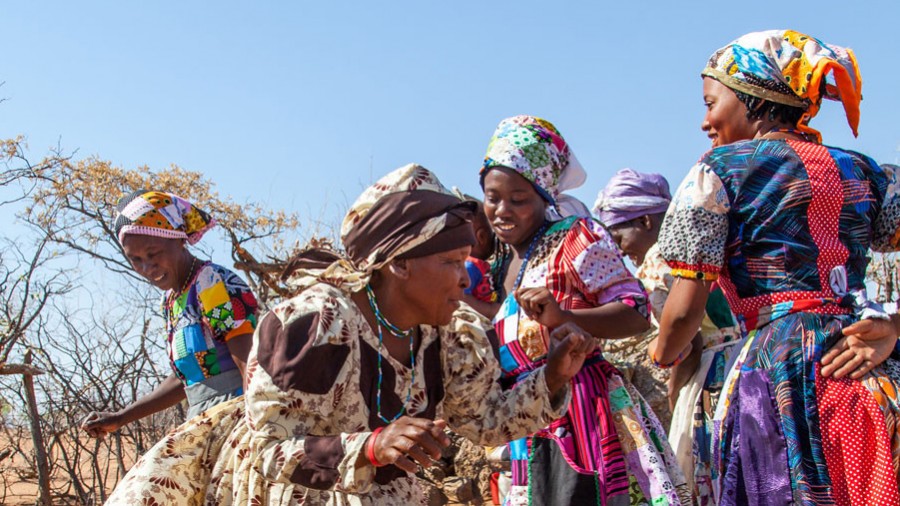
Namibia’s community conservancy model emerged in the mid-1990s as a revolutionary approach to wildlife management and rural development. The concept was born out of the realisation that for conservation to be truly successful, local communities needed to be at the forefront, actively managing and benefiting from their natural resources.
Under this model, rural communities form conservancies – areas of land where residents agree to manage their natural resources sustainably. These conservancies are granted the right to benefit from wildlife through tourism and sustainable use. This approach marked a significant shift from the previous top-down, exclusionary conservation practices that often alienated local communities from their land and resources.
The success of this model has been remarkable. According to the World Wildlife Fund, Namibia now boasts over 80 registered conservancies, covering nearly 20% of the country’s land area. These conservancies are home to some of Africa’s most iconic wildlife species, including elephants, rhinos, and lions, which have seen significant population increases since the introduction of the conservancy system.
One of the key strengths of the community conservancy model is its ability to turn potential conflict between humans and wildlife into coexistence and mutual benefit. By giving communities a stake in wildlife conservation, the model has transformed attitudes towards animals that were once seen as threats or nuisances. For instance, in the Kunene region, where communities now benefit from rhino tourism, incidents of rhino poaching have plummeted.
The conservancy model has also had profound socio-economic impacts. A report by the Namibian Association of Community Based Natural Resource Management Support Organisations (NACSO) shows that conservancies have created thousands of jobs, generated millions in income for rural communities, and significantly improved local livelihoods. This economic empowerment has, in turn, reinforced community commitment to conservation efforts.
Sustainable Tourism: The Lifeblood of Community Conservancies
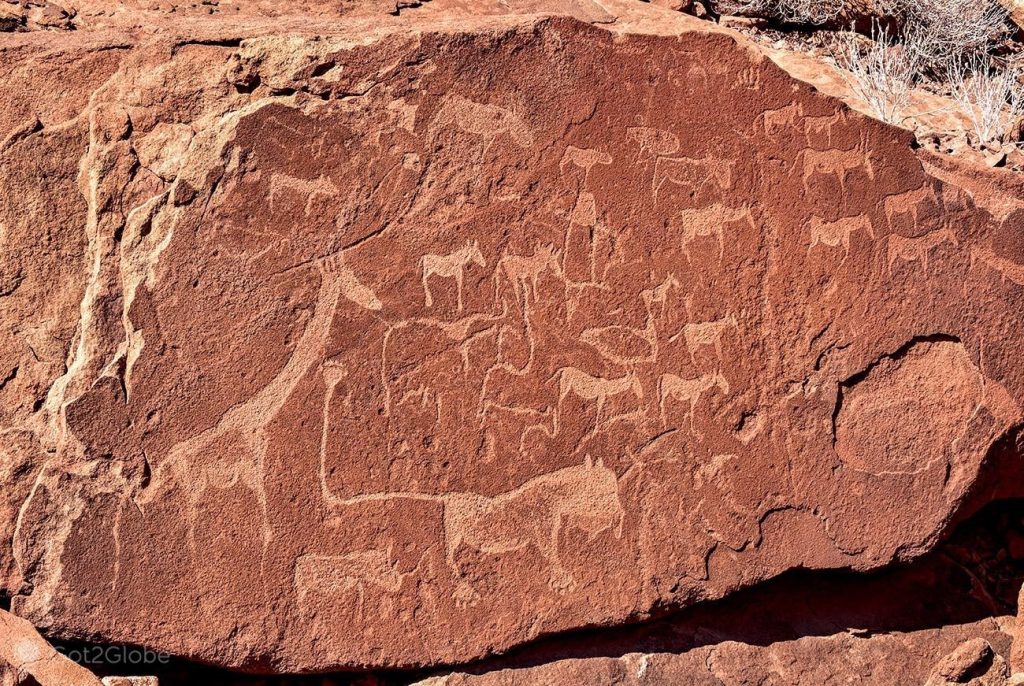
The success of Namibia’s community conservancies is inextricably linked to the growth of sustainable tourism in the country. Over the past decade, Namibia has attracted travel lovers from across the planet, with visitor numbers more than doubling between 2010 and 2019, according to the World Bank. This growth has been driven in large part by the country’s commitment to sustainable, community-based tourism.
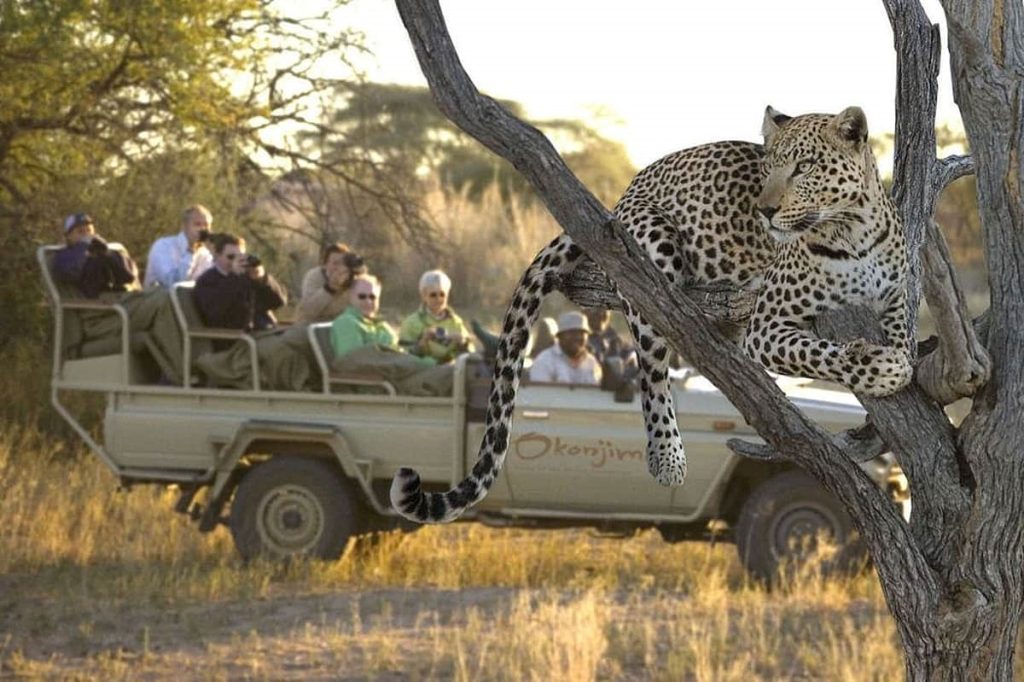
Tour operators play a crucial role in this ecosystem. Travel agencies, even the much-maligned big global brands, have made big strides to offer environmentally conscious safaris that not only provide unforgettable experiences for visitors but also directly support local communities and conservation efforts. However, it’s the Namibia-based operators that have arguably had an even bigger impact in shaping the eco-tourism narrative. Companies like SecretNamibia who operate from Swakopmund work hard to establish close ties with local lodges and community conservancies, even helping to champion worthy causes like TOSCO (Tourism Supporting Conservation Trust). When travellers book a Namibia safari through these operators the tourism revenue flows back into local economies and conservation initiatives.
The impact of this approach is significant. A study published in the Journal of Sustainable Tourism found that community-based tourism in Namibia has led to improved local attitudes towards conservation, increased community participation in natural resource management, and tangible economic benefits for rural households.
Moreover, responsible tour operators are helping to boost the profile and support for important conservation organisations. For instance, many operators include visits to the AfriCat Foundation as part of their tour packages. AfriCat, a non-profit organisation dedicated to the conservation of Namibia’s large carnivores, benefits from this exposure, gaining both financial support and increased awareness for their vital work.
The rise of sustainable tourism in Namibia has also led to the development of eco-friendly lodges and camps within conservancies. These establishments, often run in partnership with local communities, provide employment opportunities and generate income while maintaining a low environmental impact. The Grootberg Lodge in the ≠Khoadi-//Hoas Conservancy, for example, is entirely owned and operated by the local community, offering visitors a chance to experience authentic Namibian hospitality while directly contributing to conservation efforts.
The Ripple Effect: Conservation Beyond Borders
The success of Namibia’s community conservancy model has had far-reaching impacts beyond its borders. The approach has inspired similar initiatives across Africa and beyond, demonstrating that conservation and community development can go hand in hand. The International Union for Conservation of Nature (IUCN) has recognised Namibia’s community conservancy model as a global best practice, highlighting its potential for replication in other countries facing similar conservation challenges.
One of the most significant outcomes of this model has been the recovery of wildlife populations. According to the World Wildlife Fund, Namibia now boasts the largest free-roaming black rhino population in the world, a testament to the effectiveness of community-led conservation efforts. You can learn more about Namibia’s rhino conservation success story on the Save the Rhino website.
Challenges & Future Prospects
Despite its successes, Namibia’s community conservancy model is not without challenges. Climate change, for instance, poses a significant threat to the delicate ecosystems that support both wildlife and tourism. Prolonged droughts can lead to increased human-wildlife conflict as animals move into populated areas in search of water and food.
The increase in world temperatures have also raised concerns about the nation’s food supplies, leading calls for a more accelerated move towards sustainable dining and new agricultural methods to help safeguard crops.
Further, the global pandemic posed significant challenges to Namibia’s tourism sector and, by extension, its community conservancies. With international travel severely restricted, many conservancies saw a dramatic drop in tourism revenue. However, this crisis has also highlighted the resilience and adaptability of the community conservancy model.
Many conservancies have since diversified their income streams, focusing on activities like sustainable harvesting of natural products and domestic tourism. The Namibian government, recognising the importance of the sector, has also stepped in with support measures.
Looking ahead, Namibia’s community conservancy model and sustainable tourism approach are well-positioned to thrive but for a country well versed in just how quickly things can change, nothing is ever taken for granted.
A Model for the World?
Namibia’s innovative approach to conservation and tourism offers a powerful example of how countries can balance environmental protection with economic development and community empowerment. By placing communities at the heart of conservation efforts and leveraging sustainable tourism, this resilient nation has created a model that benefits people, wildlife, and ecosystems alike.
As the world grapples with the dual challenges of biodiversity loss and climate change, Namibia’s community conservancy model provides valuable lessons and inspiration. It demonstrates that with the right approach, it’s possible to create a future where humans and nature not only coexist but thrive together.
For nations across the globe, both developing nations and established economic powerhouses, there are plenty of lessons to be learned; the only question now is: will the relevant governments take action?
