

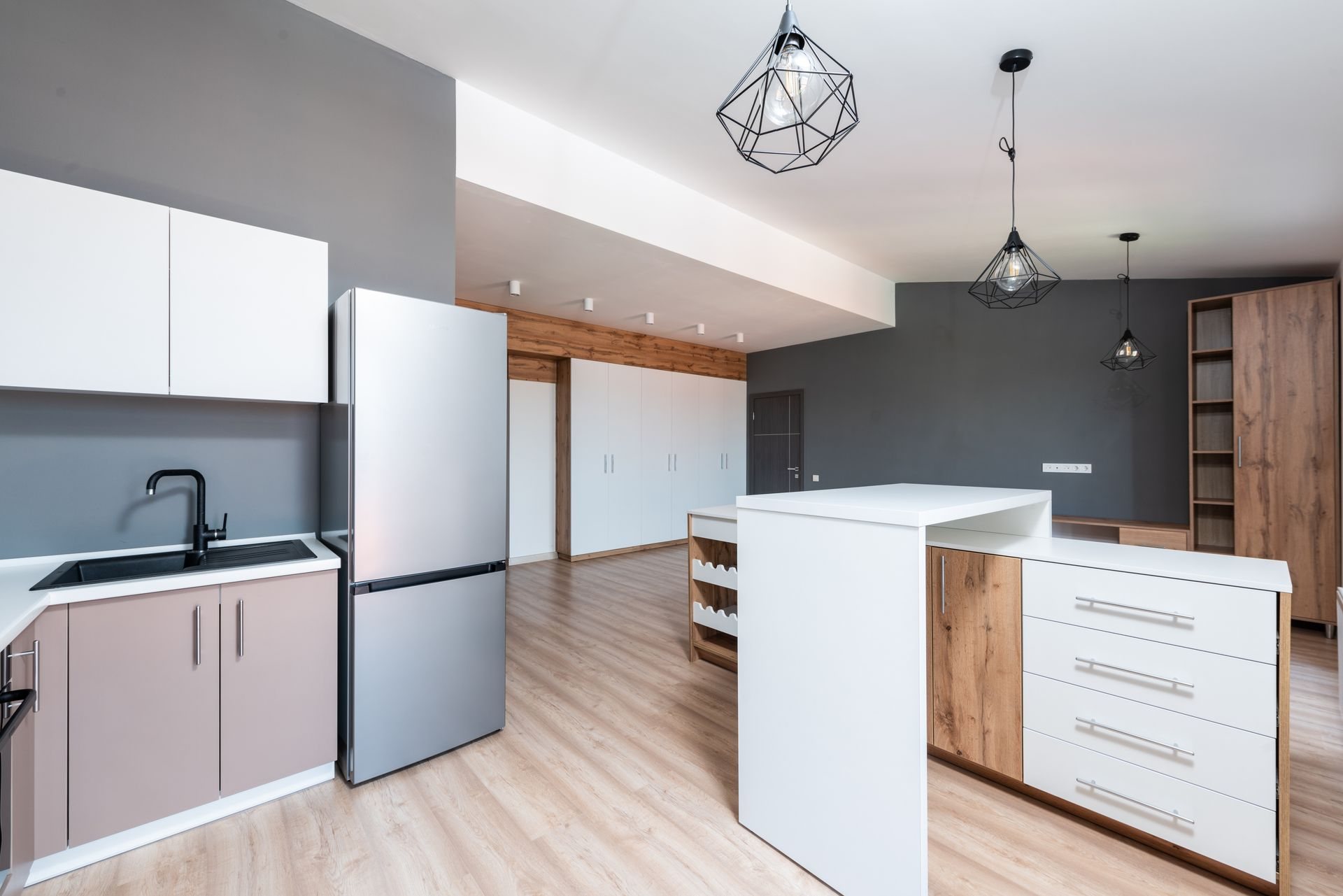
Investing in a major property renovation can be an excellent way to make your home more practical, increase its value and create additional space without the expense of moving. However, before starting any building work, it is important to understand the costs, planning requirements, potential disruption and long term benefits of the project.
From converting an unused loft to building a larger kitchen or extending a garage, careful preparation can make the difference between a successful renovation and an expensive headache.
Which Home Improvements Are Worth Considering?
Every property has different possibilities, so the best place to start is by identifying what you want to achieve. Some homeowners need another bedroom for a growing family, while others want a larger kitchen, more storage or somewhere to work from home.
Loft conversions are a popular option because they make use of space that might otherwise remain unused. Building a velux loft conversion, for example, introduces natural light through roof windows without significantly changing the existing roof structure. They can be a practical choice where there is already sufficient headroom.
Other options include converting an existing garage into a living area or building a rear extension to create an open-plan kitchen and dining space. Each project offers different advantages, so it is worth considering how the finished space will fit into your everyday life.
How Much Should You Budget for a Major Renovation?
Understanding the financial commitment is one of the most important parts of planning a renovation. Building costs can vary considerably depending on the size of the project, materials, labour and structural requirements.
According to the Office for National Statistics, the UK House Price Index recorded an average property price of £293,000 in August 2024. This demonstrates the substantial value tied up in residential property and why homeowners often consider improvements rather than purchasing somewhere larger.
However, spending more does not automatically mean adding more value. A carefully designed loft conversion or extension may be more beneficial than an expensive renovation that does not suit the property’s location or potential buyers.
Obtain detailed quotations from several contractors and check exactly what is included. Remember to set aside a contingency fund for unexpected issues, particularly when working with older properties where structural problems may only become apparent once construction begins.
Do You Need Planning Permission or Building Regulations Approval?
Before committing to a project, establish which permissions and approvals may be required. Some home improvements fall under permitted development rights, meaning a formal planning application may not be necessary, provided the work meets specific conditions.
However, restrictions can apply to properties in conservation areas, listed buildings and homes where permitted development rights have been removed. It is always sensible to check with your local planning authority before starting.
Building regulations are a separate consideration. These cover important aspects of construction, including structural safety, insulation, ventilation, fire protection and energy efficiency. Even if your project does not require planning permission, building regulations approval may still be necessary.
Understanding these requirements early can help prevent delays, additional costs and problems when you eventually decide to sell.
How Do You Choose the Right Building Contractor?
The quality of the finished renovation will depend heavily on the people carrying out the work. Look for contractors with relevant experience, a portfolio of completed projects and positive customer feedback.
Ask for written quotations rather than relying on informal estimates. These should explain the proposed work, materials, expected timescales and payment arrangements.
It is also worth checking insurance cover, guarantees and who will be responsible for arranging inspections or approvals. A reliable contractor should be happy to explain the process and answer questions before work begins.
Could Renovating Your Home Be a Better Investment Than Moving?
For many homeowners, improving an existing property offers a practical alternative to relocating. You can gain an extra bedroom, create a more spacious kitchen or make better use of previously wasted areas while staying in a familiar neighbourhood.
The key is to look beyond the immediate appearance of the finished project. Consider how the renovation will improve everyday living, how much it will cost to maintain and whether it is likely to appeal to future buyers.
Ultimately, successful renovations start with realistic expectations and careful planning. By choosing improvements that genuinely suit your property, setting a sensible budget and working with experienced professionals, you can create a home that works better for your needs today while potentially adding value for the future.
Contributed content: this article was written by a third-party contributor and does not necessarily reflect the views of Reporter Byte. Editorial and Advertising Policy
